
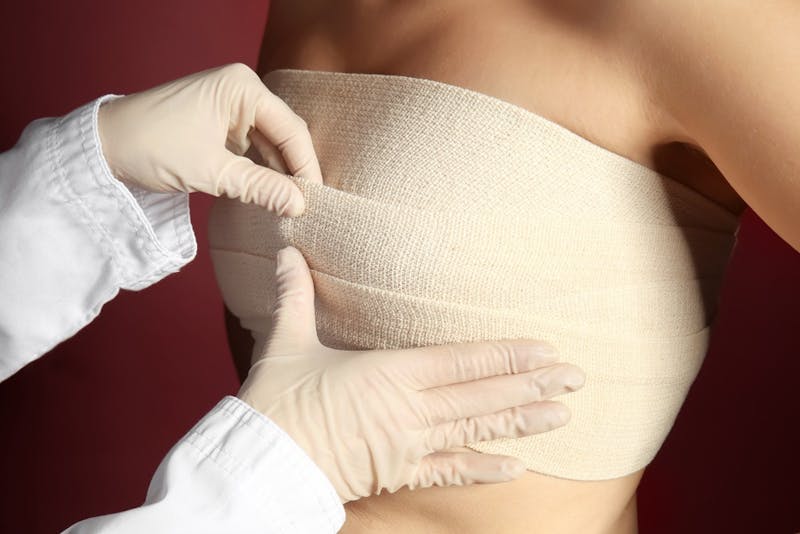
Breast reconstruction surgery after a mastectomy or breast removal operation is more about achieving the natural feel or look of breasts, restoring the breast mounds, and achieving symmetry than just enhancing the volume or shape. Even though both options implant surgery and flap surgery to reconstruct the breast can provide excellent cosmetic results, it is important to decide in close collaboration with your plastic surgeon.
However, most often, flap reconstruction, meaning reconstruction of breasts using the patient’s body tissue (also known as autologous tissue reconstruction or tissue-based reconstruction), either immediate or delayed reconstruction, is recommended. However, using a tissue flap option cannot always be the case for breast reconstruction after mastectomy, as there are several personal and medical reasons requiring assessment prior to recommending a specific option. Evaluating one’s medical and problem status is crucial when deciding the right option. In addition, the type of breast cancer and body type also play a pivotal role when deciding the reconstruction option, aiming to achieve aesthetic results!
Breast reconstruction with implants is undoubtedly easier, safer, and result-centric, leaving minimal scars and having shorter downtime. But, in some cases, tissue flap procedures can be used with a breast implant if more volume is needed.
A tissue flap procedure (autologous tissue reconstruction), or tissue-based reconstruction, is a method of reconstructing or rebuilding the shape of your breasts after cancer treatment (mastectomy or breast removal surgery). To rebuild the breast shape, a tissue flap surgery involves harvesting tissue from other body parts (called donor areas), such as the tummy, back, thighs, or buttocks. The tissue flap gives a more natural look and feel and has no risk of infection or side effects, as the patient’s tissue is used for reshaping or reconstructing the breasts. One must note that tissue flaps will change like any other tissue in your body. However, weight changes, aging, or lifestyle changes are crucial in affecting outcomes after a certain time. Sometimes, they may require a second surgery to meet the desired surgical goals.
Many patients get flap reconstruction surgery to rebuild their breasts immediately after breast removal surgery, known as immediate reconstruction. However, one may require a second surgery later on to improve the shape, volume, and contour of reconstructed breasts that weight fluctuations, aging, or other lifestyle changes can impact. One must note that they may not be recommended for immediate flap reconstruction surgery if they have inflammatory breast cancer or need radiation therapy!
In most cases, flap reconstruction surgery can be performed as a separate procedure after breast removal surgery, known as delayed reconstruction, when a patient might want more time to decide if breast reconstruction is the right choice in their specific case.
(The author, Dr. Karishma Kagodu, is a plastic and cosmetic surgeon.)
Source: Pynr